PROJECT_ORIGINS
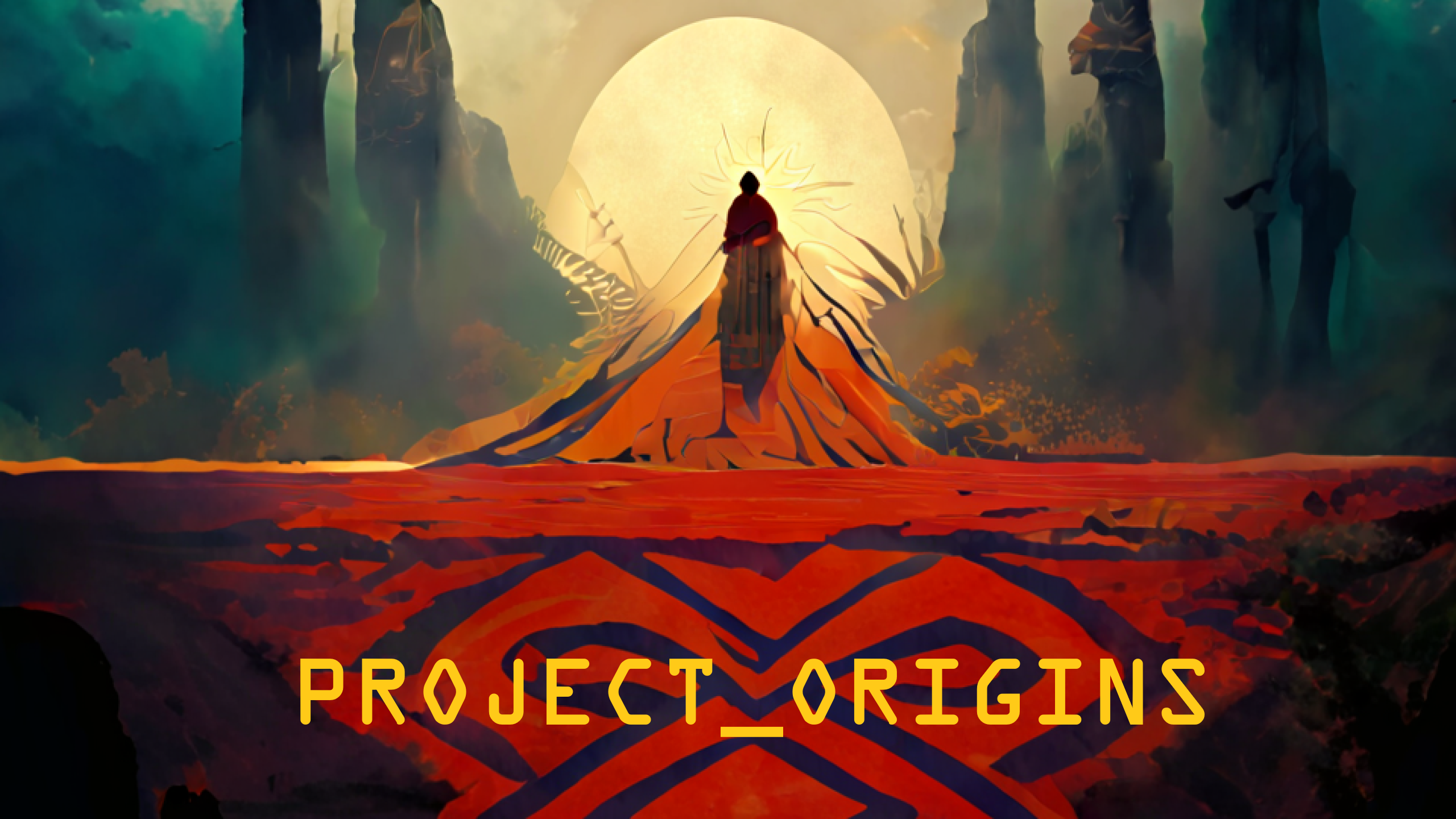
History
Change 08a9c151-2ee9-42bd-bb10-56fbfa208f4fJul 30 2026, 03:07 PM
- Removed tag Summer Sale
Change 47dedb41-2ac2-46b8-97b1-16fa78df8a27Jul 16 2026, 03:06 PM
- Added tag Summer Sale
Change 2fb38bb0-6af7-4c36-892d-2050ac4c2441Jun 11 2026, 03:18 PM
- Removed tag Epic MEGA Sale
Change 2f04f7e1-8636-41c9-ac02-a752306cd618May 14 2026, 03:09 PM
- Added tag Epic MEGA Sale
Change 6ecb8c49-3916-43f8-b3ba-51fb8e0ca343Feb 23 2026, 04:04 PM
- Removed tag Winter Sale
Change 0d4cea08-5ad8-4915-b0d4-9460762e5d42Feb 9 2026, 04:10 PM
- Added tag Winter Sale
Change 28df5dc9-0b51-4dee-b604-c539bff44d99Jan 8 2026, 04:08 PM
- Removed tag Holiday Sale
Change 319c6de6-599f-44cc-bdc3-72bc8dd6ee9aDec 11 2025, 04:10 PM
- Added tag Holiday Sale
Change fe65868b-7e74-408c-9cef-f22f0870c539Nov 3 2025, 04:12 PM
- Removed tag Halloween Sale
Change 37c4c9fe-e707-4656-8cab-09ecc52f2383Oct 20 2025, 03:31 PM
- Added tag Halloween Sale
Change 3b7217ff-a70d-4a40-9898-901644898ee6Sep 18 2025, 03:05 PM
- Removed tag End of Summer Sale
Change dab85936-a41e-4513-994f-a9a4ac8f9fefSep 17 2025, 12:37 AM
- Locale key LongDescription modified: <!--textBlock--> <!--title--> # PROJECT_ORIGINS is an Action RPG; tame animals, find mounts, explore, and interact with a valuable wealth of audio knowledge in real time. <!--text--> PROJECT_ORIGINS is an Action RPG video game By Together Again Gaming. Players can tame animals, find mounts, explore the world, and interact with a valuable wealth of audio knowledge in real time. Purchasing grants the owner early access to our demonstration file. <!--textBlock--> <!--title--> # TAG YOURE IT! <!--text--> Together Again Gaming (TAG) is an indie game studio. Individually owned and operated by one developer. He is a single father with two teenage daughters in high school. He is also a combat veteran from the year 2003. At a young age he found gaming as an escape from a rough childhood. After joining the Marines he found a special bond that he thought would be lost forever when he returned home. Online gaming allowed him to connect with like minded people outside his rural mountain area. He has witnessed gaming save his friends lives by having an outlet. This gaming studio is to grow on that belief, that an fun online environment is an excellent retreat from the sometimes overwhelming aspects of real life. That somewhere out there, playing the same game as you, is your new best friend forever. Together again, gaming. TAG! You're it. <!--textBlock--> <!--title--> # Systems And Features <!--text--> Here is a list of the systems and features you can access and use while playing PROJECT_ORIGINS: Character Creation: When you start the game, you get to create your character by choosing a Race and Gender. You also select a Class, which determines your starting stats and the items you begin with. The visual appearance you see in the character selection screen is based on your chosen race and gender. Stats & Attributes: Your character has various stats like Health, Mana, and Strength. These start based on your class but can also increase by equipping items (weapons, armor, etc.) or gaining certain passive skills. You can view all your current attributes, seeing your base stats and the bonuses from your equipped gear. Some stats, like attack power, have a minimum and maximum value that affects gameplay. Inventory: You manage all the items you collect in your inventory. The inventory can feel like a puzzle where items take up different shaped blocks (Jigsaw style). Items are organized into categories like weapons, armor, and crafting materials. Collecting and equipping multiple items from a specific Item Set can give you extra bonus stats. Picking Up Items: You can pick up items that you find laying on the ground in the world. You can see the item visually represented on the ground before you pick it up. Sometimes, multiple copies of the same item might be stacked together. Loot Containers: You can open Loot Containers, which are objects placed in the world, to find and take the items stored inside them. Equipment: You can equip items like weapons, shields, armor pieces (like gloves), necklaces, and other gear. Equipment fits into specific slots on your character. Items might have restrictions, meaning only certain classes, races, or genders can equip them, or they might be restricted to being one-handed or two-handed. When you equip an item, its visual model appears on your character. Equipment Mods: Some equipped items have special mod slots. You can add other specific items (like gems) into these slots to gain additional benefits, most often extra stats. Skills & Abilities: You use Active Skills to perform actions and benefit from Passive Skills that enhance your abilities or stats. Active Skills: These are the actions you perform, such as attacking, casting spells, using buffs on allies, or debuffs on enemies. Using an active skill might cost Mana and have a cooldown before you can use it again. Some skills require you to target an enemy or ally or might require you to stop moving before you can use them. Active skills can often be leveled up, gaining additional bonuses like increased damage or new effects. Simple active skills might just restore your health or mana or remove negative effects without needing a complex visual effect or action. Passive Skills: These skills provide constant benefits or enhance your active skills. They can increase your damage, make effects last longer, add new effects to your attacks (like fire damage, poison, stun, or movement slow/boost), or simply add stats directly to your character. Passive skills are often linked to specific active skills in your Skill Tree. Some passive skills have a chance to activate. Utility Skills: These are types of active skills used for non-combat purposes, like summoning a mount or a friendly unit. Skill Tree: You have a Skill Tree where you can spend points you earn to unlock and activate new active and passive skills. Skills are connected in the tree, and you usually need to unlock a 'parent' skill before you can unlock the 'child' skills linked to it. Some skills might require you to reach a certain player level before you can unlock them. Some skills in the tree might start as already active without needing points. Action Bar: You can place your active and utility skills onto an action bar at the bottom of the screen for quick access during gameplay. Some skills may automatically appear in your action bar by default. Combat: As an Action RPG, a major part of the game is combat. You will deal damage to enemies and receive damage from them. Your skills can apply various effects to targets, such as causing them to bleed or be poisoned over time, slowing down their movement, stunning them, or applying helpful buffs to yourself or allies. Having high resistance stats can help reduce the impact of damage or negative effects. The game helps ensure your offensive skills primarily target enemies. Enemies (AI characters) also engage in combat, using their own skills and having stats. Healing, Buffs, & Debuffs: You can use certain skills or consumable items (like potions) to restore lost Health or Mana. Some skills apply buffs (positive effects) to yourself or allies, like increasing your stats or movement speed. Enemies can apply debuffs (negative effects) to you, such as damage over time, slow, or stun. Certain skills can cleanse or remove these negative effects. Some skills can even be used while you are stunned. Quests: You can take on Quests, which may involve talking to characters through dialogues and completing objectives. Quests can reward you with various items and sometimes even skills. Harvesting: You can gather resources like materials from special objects found in the world. These objects might require you to simply interact with them (they might disappear or stay after interaction), or some might require you to attack them repeatedly until their health is gone. Harvestable objects can reappear after some time. Some might require you to have a specific item, like a tool, in your inventory before you can gather from them. Crafting: You can craft new items using recipes. Recipes list the specific materials you need to collect to create the item. When you craft an item, it might have random stats added to it. Vendors: You can visit vendors in the world to buy items. The price of items is set. Each vendor has a specific list of items they offer for sale. Like crafted items, items you buy from vendors can sometimes come with random stats. Experience & Leveling: You gain Experience Points (XP), usually by defeating hostile AI characters. When you accumulate enough XP, you will Level Up your character. The amount of XP required increases as you gain levels. Leveling up may potentially allow you to unlock more skills. AI (Artificial Intelligence): You will interact with other characters controlled by the game's AI. These can be hostile (enemies that attack you), friendly (allies who might help you), or neutral. AI characters have their own stats and distinct behaviors (like being aggressive and charging at you, or defensive and trying to keep distance). They use skills to attack and can sometimes be stunned. Hostile AI typically patrols around a designated area. Defeating hostile AI rewards you with XP. The AI's attitude towards you (whether they are friendly or hostile) can be affected by things like your faction or guild membership. ** ### Each player is equipped with a version of a personal voice assistant. This ai agent can be accessed by pressing and holding the letter "V" and asking a question verbally through the player's microphone and then releasing the letter "V". The agent then responds verbally through the player's speakers.** Groups (Parties, Guilds, Factions): You can team up with other players by forming a Party. You can also join or create Guilds, or belong to a Faction. The game can allow combat between players from different factions (Faction PVP) or different guilds (Guild PVP) if those features are enabled. You can typically invite other players to your party, guild, or faction by right-clicking on their character. Movement: You control how your character moves around the game world. The game supports controlling your character from a Third-person view. Your movement speed can be temporarily increased or decreased by certain skills or effects. As mentioned earlier, some skills might require you to stop moving completely before you can use them. Minimap: You can use a Minimap displayed on your screen to help you navigate the game world. Important objects like resource nodes for harvesting can be shown on the minimap with special icons and names. The minimap uses a static image of the area rather than a live view. → <!--textBlock--> <!--title--> # PROJECT_ORIGINS is an Action RPG; tame animals, find mounts, explore, and interact with almost EVERY thing you come across. <!--text--> PROJECT_ORIGINS is an Action RPG video game By Together Again Gaming. Players can tame animals, find mounts, explore the world, and interact with a valuable wealth of audio knowledge in real time. Purchasing grants the owner early access to our game as we update it. <!--textBlock--> <!--title--> # TAG YOURE IT! SOLO DEV & SOLO DAD! <!--text--> This gaming studio is to grow on the belief that a fun online environment is an excellent retreat from the sometimes overwhelming aspects of real life. That somewhere out there, playing the same game as you, is your new best friend forever. Together Again Gaming (TAG) is an indie game studio. Individually owned and operated by one developer. He is a single father with two teenage daughters in high school. He is also a combat veteran Marine. At a young age he found gaming as an escape from a rough childhood. After joining the Marines he found a special bond that he thought would be lost forever when he returned home. Online gaming allowed him to connect with like minded people outside his rural mountain area. He has witnessed gaming save his friends lives by having an outlet. Together again, gaming. TAG! You're it. <!--textBlock--> <!--title--> # Systems And Features <!--text--> Here is a list of the systems and features you can access and use while playing PROJECT_ORIGINS: Character Creation: When you start the game, you get to create your character by choosing a Race and Gender. You also select a Class, which determines your starting stats and the items you begin with. The visual appearance you see in the character selection screen is based on your chosen race and gender. Stats & Attributes: Your character has various stats like Health, Mana, and Strength. These start based on your class but can also increase by equipping items (weapons, armor, etc.) or gaining certain passive skills. You can view all your current attributes, seeing your base stats and the bonuses from your equipped gear. Some stats, like attack power, have a minimum and maximum value that affects gameplay. Inventory: You manage all the items you collect in your inventory. The inventory can feel like a puzzle where items take up different shaped blocks (Jigsaw style). Items are organized into categories like weapons, armor, and crafting materials. Collecting and equipping multiple items from a specific Item Set can give you extra bonus stats. Picking Up Items: You can pick up items that you find laying on the ground in the world. You can see the item visually represented on the ground before you pick it up. Sometimes, multiple copies of the same item might be stacked together. Loot Containers: You can open Loot Containers, which are objects placed in the world, to find and take the items stored inside them. Equipment: You can equip items like weapons, shields, armor pieces (like gloves), necklaces, and other gear. Equipment fits into specific slots on your character. Items might have restrictions, meaning only certain classes, races, or genders can equip them, or they might be restricted to being one-handed or two-handed. When you equip an item, its visual model appears on your character. Equipment Mods: Some equipped items have special mod slots. You can add other specific items (like gems) into these slots to gain additional benefits, most often extra stats. Skills & Abilities: You use Active Skills to perform actions and benefit from Passive Skills that enhance your abilities or stats. Active Skills: These are the actions you perform, such as attacking, casting spells, using buffs on allies, or debuffs on enemies. Using an active skill might cost Mana and have a cooldown before you can use it again. Some skills require you to target an enemy or ally or might require you to stop moving before you can use them. Active skills can often be leveled up, gaining additional bonuses like increased damage or new effects. Simple active skills might just restore your health or mana or remove negative effects without needing a complex visual effect or action. Passive Skills: These skills provide constant benefits or enhance your active skills. They can increase your damage, make effects last longer, add new effects to your attacks (like fire damage, poison, stun, or movement slow/boost), or simply add stats directly to your character. Passive skills are often linked to specific active skills in your Skill Tree. Some passive skills have a chance to activate. Utility Skills: These are types of active skills used for non-combat purposes, like summoning a mount or a friendly unit. Skill Tree: You have a Skill Tree where you can spend points you earn to unlock and activate new active and passive skills. Skills are connected in the tree, and you usually need to unlock a 'parent' skill before you can unlock the 'child' skills linked to it. Some skills might require you to reach a certain player level before you can unlock them. Some skills in the tree might start as already active without needing points. Action Bar: You can place your active and utility skills onto an action bar at the bottom of the screen for quick access during gameplay. Some skills may automatically appear in your action bar by default. Combat: As an Action RPG, a major part of the game is combat. You will deal damage to enemies and receive damage from them. Your skills can apply various effects to targets, such as causing them to bleed or be poisoned over time, slowing down their movement, stunning them, or applying helpful buffs to yourself or allies. Having high resistance stats can help reduce the impact of damage or negative effects. The game helps ensure your offensive skills primarily target enemies. Enemies (AI characters) also engage in combat, using their own skills and having stats. Healing, Buffs, & Debuffs: You can use certain skills or consumable items (like potions) to restore lost Health or Mana. Some skills apply buffs (positive effects) to yourself or allies, like increasing your stats or movement speed. Enemies can apply debuffs (negative effects) to you, such as damage over time, slow, or stun. Certain skills can cleanse or remove these negative effects. Some skills can even be used while you are stunned. Quests: You can take on Quests, which may involve talking to characters through dialogues and completing objectives. Quests can reward you with various items and sometimes even skills. Harvesting: You can gather resources like materials from special objects found in the world. These objects might require you to simply interact with them (they might disappear or stay after interaction), or some might require you to attack them repeatedly until their health is gone. Harvestable objects can reappear after some time. Some might require you to have a specific item, like a tool, in your inventory before you can gather from them. Crafting: You can craft new items using recipes. Recipes list the specific materials you need to collect to create the item. When you craft an item, it might have random stats added to it. Vendors: You can visit vendors in the world to buy items. The price of items is set. Each vendor has a specific list of items they offer for sale. Like crafted items, items you buy from vendors can sometimes come with random stats. Experience & Leveling: You gain Experience Points (XP), usually by defeating hostile AI characters. When you accumulate enough XP, you will Level Up your character. The amount of XP required increases as you gain levels. Leveling up may potentially allow you to unlock more skills. Non Player characters (NPCs) have their own stats and distinct behaviors (like being aggressive and charging at you, or defensive and trying to keep distance). They use skills to attack and can sometimes be stunned. Hostile NPCs typically patrol around a designated area. Defeating hostile NPCs reward you with XP. The NPC's attitude towards you (whether they are friendly or hostile) can be affected by things like your faction or guild membership. Groups (Parties, Guilds, Factions): You can team up with other players by forming a Party. You can also join or create Guilds, or belong to a Faction. The game can allow combat between players from different factions (Faction PVP) or different guilds (Guild PVP) if those features are enabled. You can typically invite other players to your party, guild, or faction by right-clicking on their character. Movement: You control how your character moves around the game world. The game supports controlling your character from a Third-person view. Your movement speed can be temporarily increased or decreased by certain skills or effects. As mentioned earlier, some skills might require you to stop moving completely before you can use them. Mini-map: You can use a Mini-map displayed on your screen to help you navigate the game world. Important objects like resource nodes for harvesting can be shown on the mini-map with special icons and names. The mini-map uses a static image of the area rather than a live view.
Change fa5c7c68-c761-4827-acd6-924d774e4158Sep 6 2025, 09:00 PM
- Locale key LongDescription modified: <!--textBlock--> <!--title--> # PROJECT_ORIGINS is an Action RPG; tame animals, find mounts, explore, and interact with a valuable wealth of audio knowledge in real time. <!--text--> PROJECT_ORIGINS is an Action RPG video game By Together Again Gaming. Players can tame animals, find mounts, explore the world, and interact with a valuable wealth of audio knowledge in real time. Purchasing grants the owner early access to our demonstration file. <!--textBlock--> <!--title--> # Systems And Features <!--text--> Here is a list of the systems and features you can access and use while playing PROJECT_ORIGINS: Character Creation: When you start the game, you get to create your character by choosing a Race and Gender. You also select a Class, which determines your starting stats and the items you begin with. The visual appearance you see in the character selection screen is based on your chosen race and gender. Stats & Attributes: Your character has various stats like Health, Mana, and Strength. These start based on your class but can also increase by equipping items (weapons, armor, etc.) or gaining certain passive skills. You can view all your current attributes, seeing your base stats and the bonuses from your equipped gear. Some stats, like attack power, have a minimum and maximum value that affects gameplay. Inventory: You manage all the items you collect in your inventory. The inventory can feel like a puzzle where items take up different shaped blocks (Jigsaw style). Items are organized into categories like weapons, armor, and crafting materials. Collecting and equipping multiple items from a specific Item Set can give you extra bonus stats. Picking Up Items: You can pick up items that you find laying on the ground in the world. You can see the item visually represented on the ground before you pick it up. Sometimes, multiple copies of the same item might be stacked together. Loot Containers: You can open Loot Containers, which are objects placed in the world, to find and take the items stored inside them. Equipment: You can equip items like weapons, shields, armor pieces (like gloves), necklaces, and other gear. Equipment fits into specific slots on your character. Items might have restrictions, meaning only certain classes, races, or genders can equip them, or they might be restricted to being one-handed or two-handed. When you equip an item, its visual model appears on your character. Equipment Mods: Some equipped items have special mod slots. You can add other specific items (like gems) into these slots to gain additional benefits, most often extra stats. Skills & Abilities: You use Active Skills to perform actions and benefit from Passive Skills that enhance your abilities or stats. Active Skills: These are the actions you perform, such as attacking, casting spells, using buffs on allies, or debuffs on enemies. Using an active skill might cost Mana and have a cooldown before you can use it again. Some skills require you to target an enemy or ally or might require you to stop moving before you can use them. Active skills can often be leveled up, gaining additional bonuses like increased damage or new effects. Simple active skills might just restore your health or mana or remove negative effects without needing a complex visual effect or action. Passive Skills: These skills provide constant benefits or enhance your active skills. They can increase your damage, make effects last longer, add new effects to your attacks (like fire damage, poison, stun, or movement slow/boost), or simply add stats directly to your character. Passive skills are often linked to specific active skills in your Skill Tree. Some passive skills have a chance to activate. Utility Skills: These are types of active skills used for non-combat purposes, like summoning a mount or a friendly unit. Skill Tree: You have a Skill Tree where you can spend points you earn to unlock and activate new active and passive skills. Skills are connected in the tree, and you usually need to unlock a 'parent' skill before you can unlock the 'child' skills linked to it. Some skills might require you to reach a certain player level before you can unlock them. Some skills in the tree might start as already active without needing points. Action Bar: You can place your active and utility skills onto an action bar at the bottom of the screen for quick access during gameplay. Some skills may automatically appear in your action bar by default. Combat: As an Action RPG, a major part of the game is combat. You will deal damage to enemies and receive damage from them. Your skills can apply various effects to targets, such as causing them to bleed or be poisoned over time, slowing down their movement, stunning them, or applying helpful buffs to yourself or allies. Having high resistance stats can help reduce the impact of damage or negative effects. The game helps ensure your offensive skills primarily target enemies. Enemies (AI characters) also engage in combat, using their own skills and having stats. Healing, Buffs, & Debuffs: You can use certain skills or consumable items (like potions) to restore lost Health or Mana. Some skills apply buffs (positive effects) to yourself or allies, like increasing your stats or movement speed. Enemies can apply debuffs (negative effects) to you, such as damage over time, slow, or stun. Certain skills can cleanse or remove these negative effects. Some skills can even be used while you are stunned. Quests: You can take on Quests, which may involve talking to characters through dialogues and completing objectives. Quests can reward you with various items and sometimes even skills. Harvesting: You can gather resources like materials from special objects found in the world. These objects might require you to simply interact with them (they might disappear or stay after interaction), or some might require you to attack them repeatedly until their health is gone. Harvestable objects can reappear after some time. Some might require you to have a specific item, like a tool, in your inventory before you can gather from them. Crafting: You can craft new items using recipes. Recipes list the specific materials you need to collect to create the item. When you craft an item, it might have random stats added to it. Vendors: You can visit vendors in the world to buy items. The price of items is set. Each vendor has a specific list of items they offer for sale. Like crafted items, items you buy from vendors can sometimes come with random stats. Experience & Leveling: You gain Experience Points (XP), usually by defeating hostile AI characters. When you accumulate enough XP, you will Level Up your character. The amount of XP required increases as you gain levels. Leveling up may potentially allow you to unlock more skills. AI (Artificial Intelligence): You will interact with other characters controlled by the game's AI. These can be hostile (enemies that attack you), friendly (allies who might help you), or neutral. AI characters have their own stats and distinct behaviors (like being aggressive and charging at you, or defensive and trying to keep distance). They use skills to attack and can sometimes be stunned. Hostile AI typically patrols around a designated area. Defeating hostile AI rewards you with XP. The AI's attitude towards you (whether they are friendly or hostile) can be affected by things like your faction or guild membership. ** ### Each player is equipped with a version of a personal voice assistant. This ai agent can be accessed by pressing and holding the letter "V" and asking a question verbally through the player's microphone and then releasing the letter "V". The agent then responds verbally through the player's speakers.** Groups (Parties, Guilds, Factions): You can team up with other players by forming a Party. You can also join or create Guilds, or belong to a Faction. The game can allow combat between players from different factions (Faction PVP) or different guilds (Guild PVP) if those features are enabled. You can typically invite other players to your party, guild, or faction by right-clicking on their character. Movement: You control how your character moves around the game world. The game supports controlling your character from a Third-person view. Your movement speed can be temporarily increased or decreased by certain skills or effects. As mentioned earlier, some skills might require you to stop moving completely before you can use them. Minimap: You can use a Minimap displayed on your screen to help you navigate the game world. Important objects like resource nodes for harvesting can be shown on the minimap with special icons and names. The minimap uses a static image of the area rather than a live view. → <!--textBlock--> <!--title--> # PROJECT_ORIGINS is an Action RPG; tame animals, find mounts, explore, and interact with a valuable wealth of audio knowledge in real time. <!--text--> PROJECT_ORIGINS is an Action RPG video game By Together Again Gaming. Players can tame animals, find mounts, explore the world, and interact with a valuable wealth of audio knowledge in real time. Purchasing grants the owner early access to our demonstration file. <!--textBlock--> <!--title--> # TAG YOURE IT! <!--text--> Together Again Gaming (TAG) is an indie game studio. Individually owned and operated by one developer. He is a single father with two teenage daughters in high school. He is also a combat veteran from the year 2003. At a young age he found gaming as an escape from a rough childhood. After joining the Marines he found a special bond that he thought would be lost forever when he returned home. Online gaming allowed him to connect with like minded people outside his rural mountain area. He has witnessed gaming save his friends lives by having an outlet. This gaming studio is to grow on that belief, that an fun online environment is an excellent retreat from the sometimes overwhelming aspects of real life. That somewhere out there, playing the same game as you, is your new best friend forever. Together again, gaming. TAG! You're it. <!--textBlock--> <!--title--> # Systems And Features <!--text--> Here is a list of the systems and features you can access and use while playing PROJECT_ORIGINS: Character Creation: When you start the game, you get to create your character by choosing a Race and Gender. You also select a Class, which determines your starting stats and the items you begin with. The visual appearance you see in the character selection screen is based on your chosen race and gender. Stats & Attributes: Your character has various stats like Health, Mana, and Strength. These start based on your class but can also increase by equipping items (weapons, armor, etc.) or gaining certain passive skills. You can view all your current attributes, seeing your base stats and the bonuses from your equipped gear. Some stats, like attack power, have a minimum and maximum value that affects gameplay. Inventory: You manage all the items you collect in your inventory. The inventory can feel like a puzzle where items take up different shaped blocks (Jigsaw style). Items are organized into categories like weapons, armor, and crafting materials. Collecting and equipping multiple items from a specific Item Set can give you extra bonus stats. Picking Up Items: You can pick up items that you find laying on the ground in the world. You can see the item visually represented on the ground before you pick it up. Sometimes, multiple copies of the same item might be stacked together. Loot Containers: You can open Loot Containers, which are objects placed in the world, to find and take the items stored inside them. Equipment: You can equip items like weapons, shields, armor pieces (like gloves), necklaces, and other gear. Equipment fits into specific slots on your character. Items might have restrictions, meaning only certain classes, races, or genders can equip them, or they might be restricted to being one-handed or two-handed. When you equip an item, its visual model appears on your character. Equipment Mods: Some equipped items have special mod slots. You can add other specific items (like gems) into these slots to gain additional benefits, most often extra stats. Skills & Abilities: You use Active Skills to perform actions and benefit from Passive Skills that enhance your abilities or stats. Active Skills: These are the actions you perform, such as attacking, casting spells, using buffs on allies, or debuffs on enemies. Using an active skill might cost Mana and have a cooldown before you can use it again. Some skills require you to target an enemy or ally or might require you to stop moving before you can use them. Active skills can often be leveled up, gaining additional bonuses like increased damage or new effects. Simple active skills might just restore your health or mana or remove negative effects without needing a complex visual effect or action. Passive Skills: These skills provide constant benefits or enhance your active skills. They can increase your damage, make effects last longer, add new effects to your attacks (like fire damage, poison, stun, or movement slow/boost), or simply add stats directly to your character. Passive skills are often linked to specific active skills in your Skill Tree. Some passive skills have a chance to activate. Utility Skills: These are types of active skills used for non-combat purposes, like summoning a mount or a friendly unit. Skill Tree: You have a Skill Tree where you can spend points you earn to unlock and activate new active and passive skills. Skills are connected in the tree, and you usually need to unlock a 'parent' skill before you can unlock the 'child' skills linked to it. Some skills might require you to reach a certain player level before you can unlock them. Some skills in the tree might start as already active without needing points. Action Bar: You can place your active and utility skills onto an action bar at the bottom of the screen for quick access during gameplay. Some skills may automatically appear in your action bar by default. Combat: As an Action RPG, a major part of the game is combat. You will deal damage to enemies and receive damage from them. Your skills can apply various effects to targets, such as causing them to bleed or be poisoned over time, slowing down their movement, stunning them, or applying helpful buffs to yourself or allies. Having high resistance stats can help reduce the impact of damage or negative effects. The game helps ensure your offensive skills primarily target enemies. Enemies (AI characters) also engage in combat, using their own skills and having stats. Healing, Buffs, & Debuffs: You can use certain skills or consumable items (like potions) to restore lost Health or Mana. Some skills apply buffs (positive effects) to yourself or allies, like increasing your stats or movement speed. Enemies can apply debuffs (negative effects) to you, such as damage over time, slow, or stun. Certain skills can cleanse or remove these negative effects. Some skills can even be used while you are stunned. Quests: You can take on Quests, which may involve talking to characters through dialogues and completing objectives. Quests can reward you with various items and sometimes even skills. Harvesting: You can gather resources like materials from special objects found in the world. These objects might require you to simply interact with them (they might disappear or stay after interaction), or some might require you to attack them repeatedly until their health is gone. Harvestable objects can reappear after some time. Some might require you to have a specific item, like a tool, in your inventory before you can gather from them. Crafting: You can craft new items using recipes. Recipes list the specific materials you need to collect to create the item. When you craft an item, it might have random stats added to it. Vendors: You can visit vendors in the world to buy items. The price of items is set. Each vendor has a specific list of items they offer for sale. Like crafted items, items you buy from vendors can sometimes come with random stats. Experience & Leveling: You gain Experience Points (XP), usually by defeating hostile AI characters. When you accumulate enough XP, you will Level Up your character. The amount of XP required increases as you gain levels. Leveling up may potentially allow you to unlock more skills. AI (Artificial Intelligence): You will interact with other characters controlled by the game's AI. These can be hostile (enemies that attack you), friendly (allies who might help you), or neutral. AI characters have their own stats and distinct behaviors (like being aggressive and charging at you, or defensive and trying to keep distance). They use skills to attack and can sometimes be stunned. Hostile AI typically patrols around a designated area. Defeating hostile AI rewards you with XP. The AI's attitude towards you (whether they are friendly or hostile) can be affected by things like your faction or guild membership. ** ### Each player is equipped with a version of a personal voice assistant. This ai agent can be accessed by pressing and holding the letter "V" and asking a question verbally through the player's microphone and then releasing the letter "V". The agent then responds verbally through the player's speakers.** Groups (Parties, Guilds, Factions): You can team up with other players by forming a Party. You can also join or create Guilds, or belong to a Faction. The game can allow combat between players from different factions (Faction PVP) or different guilds (Guild PVP) if those features are enabled. You can typically invite other players to your party, guild, or faction by right-clicking on their character. Movement: You control how your character moves around the game world. The game supports controlling your character from a Third-person view. Your movement speed can be temporarily increased or decreased by certain skills or effects. As mentioned earlier, some skills might require you to stop moving completely before you can use them. Minimap: You can use a Minimap displayed on your screen to help you navigate the game world. Important objects like resource nodes for harvesting can be shown on the minimap with special icons and names. The minimap uses a static image of the area rather than a live view.
Change 0a923f94-c8d0-4102-a53a-d1776c295daeSep 4 2025, 03:16 PM
- Added tag End of Summer Sale
Change f081cfac-16e0-4a41-9fc8-15c08f579166Aug 26 2025, 03:45 PM
- Added item DevGeneralAudience
- Added 7 tags
- Windows
- RPG
- Online Multiplayer
- Action-Adventure
- Open World
- Promotional Content
- EARLY ACCESS
- Added 3 categories
- Game
- Game Edition
- Base Game Edition
- Added 6 key images
- OgImage: project_origins-8voc7.jpg
- heroCarouselVideo: com.epicgames.video://1f64a256-f41c-4a55-a87d-63b5dcc67a86?cover=https%3A%2F%2Fcdn1.epicgames.com%2Fspt-assets%2Fd736723c491b4714980ee65c6ff9c3bb%2Fproject_origins-video-1h6v7.png
- featuredMedia: project_origins-neqob.png
- Thumbnail: project_origins-1d3tt.png
- OfferImageTall: project_origins-1d3tt.png
- OfferImageWide: project_origins-16zwa.png
- Added 5 custom attributes
- isPromotionalContentUsed: true
- isManuallySetViewableDate: true
- isManuallySetPCReleaseDate: false
- isBlockchainUsed: false
- autoGeneratedPrice: false
- Added locale: en
- Offer indexed on EpicDB